
Tuning Into Hearing Health: Strategies for Lifelong Ear Care
The Basics of Hearing Health
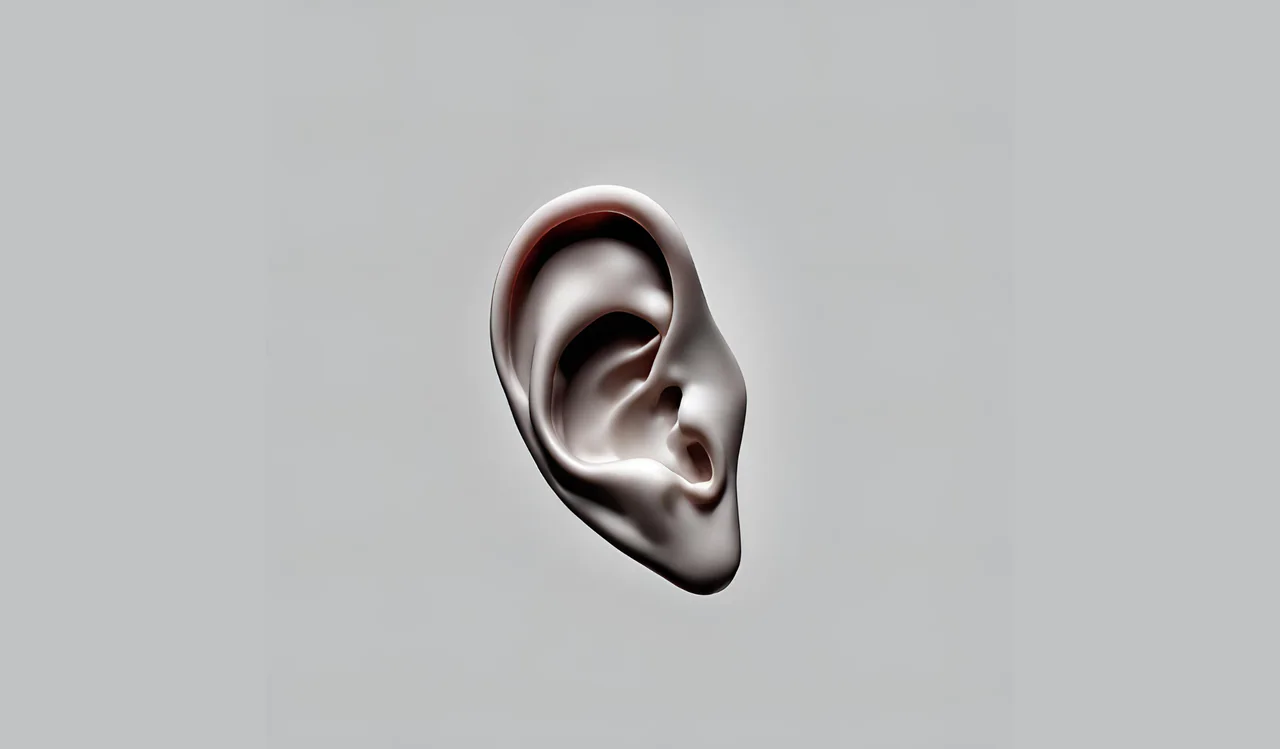
Hearing health is a crucial aspect of overall wellness, involving the care and maintenance of the ear's complex structures that allow us to detect and interpret sounds. Regular hearing check-ups and protective measures can prevent long-term damage.
Understanding the anatomy of the ear and how sound is processed is the first step toward maintaining good hearing health. Factors such as noise exposure, age, and genetics play significant roles in hearing abilities.
Protecting Your Ears from Noise
Exposure to loud noise is one of the most common causes of hearing loss. Employing protective measures, such as using earplugs or earmuffs in noisy environments, can significantly reduce the risk of noise-induced hearing damage.
Understanding safe noise levels and the importance of regular quiet periods can help preserve hearing function and prevent the onset of noise-induced hearing loss.
The Impact of Lifestyle on Hearing
Lifestyle factors, including diet, exercise, and smoking, can have a profound impact on hearing health. Nutrients from a balanced diet can support ear function, while regular exercise improves blood flow, benefiting the ears.
Avoiding ototoxic chemicals in medications and environmental pollutants, along with cessation of smoking, can also contribute to healthier hearing.
Technological Advancements in Hearing Care
Technological advancements in audiology have revolutionized the diagnosis, treatment, and management of hearing loss. From sophisticated hearing aids to cochlear implants, options for enhancing hearing are more effective and accessible than ever.
Emerging technologies such as AI-driven hearing devices and apps for hearing health monitoring are paving the way for personalized and proactive ear care.
The Connection Between Hearing and Mental Health
Hearing loss can have significant psychological effects, including social isolation, depression, and cognitive decline. Acknowledging and addressing the mental health aspects of hearing impairment is essential for comprehensive care.
Strategies for coping with hearing loss, such as joining support groups and utilizing assistive listening devices, can alleviate its impact on mental well-being.
Authors
Gula Health Team
Acknowledgements
Special thanks to the International Hearing Health Foundation.

Accessible Healthcare